

How Green Townships Naturally Reduce Summer Heat
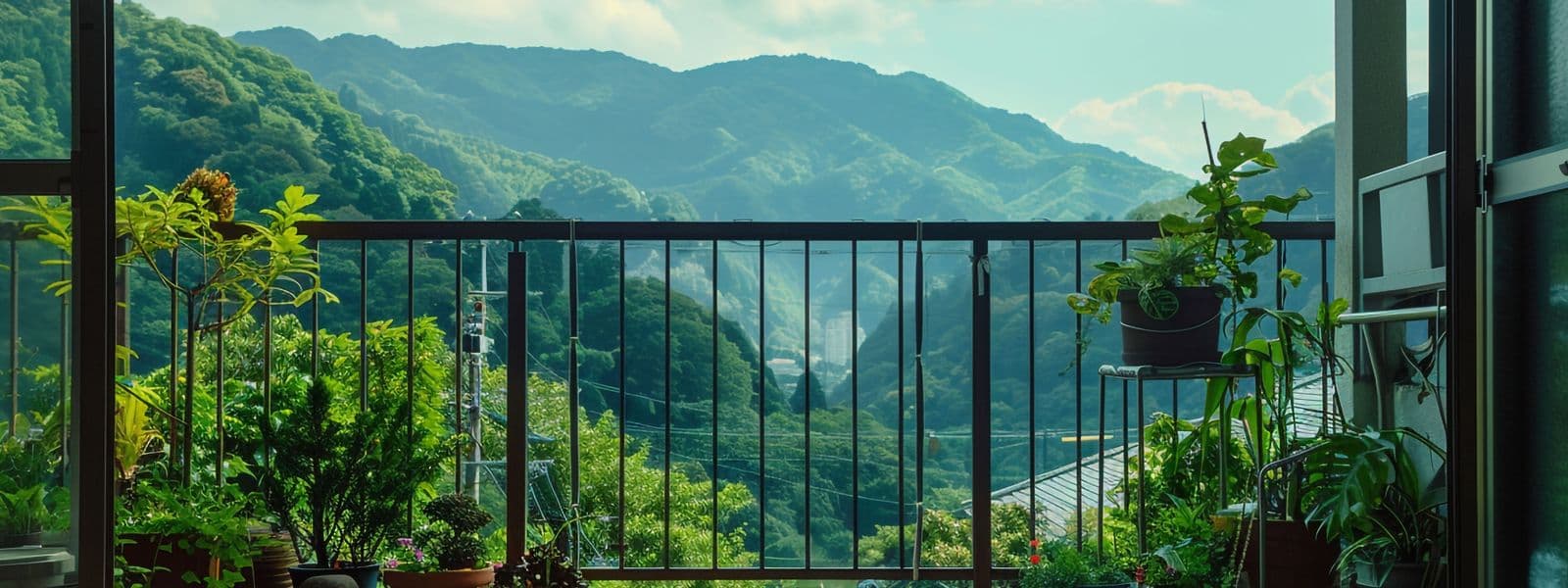
How Green Townships Naturally Reduce Summer Heat
Summer in large cities can be intense. With rising temperatures and increasing urban development, many pockets experience extreme heat during the warmer months. Concrete buildings, asphalt roads, and limited greenery trap heat throughout the day. This creates the urban heat island effect, in which urban areas become significantly hotter than surrounding natural areas.
One effective way to combat this growing issue is through green township planning. By incorporating dense greenery, landscaped gardens, and open spaces, these communities naturally reduce heat and create more comfortable living conditions.
A great example of this approach is Nahar's Amrit Shakti, a well-planned township that integrates greenery and open spaces to create a cooler, more balanced living environment.
Why Urban Areas Become Hotter in Summer
The Urban Heat Island Effect
Cities often feel hotter than the surrounding areas because of the materials used in construction. Concrete, glass, and asphalt absorb sunlight during the day and slowly release heat at night. This continuous heat retention keeps city temperatures high even after sunset.
Tall buildings and dense infrastructure also block natural airflow, preventing heat from escaping.
Lack of Green Cover
Trees and vegetation play a crucial role in regulating temperatures. When urban development replaces natural landscapes with roads and buildings, cities lose their natural cooling mechanisms.
This is why modern residential developments are focusing on integrating greenery directly into urban living spaces.
How Green Townships Naturally Stay Cooler
1. Trees Provide Natural Shade
Trees act as natural umbrellas, blocking sunlight from reaching the ground. Their canopy significantly reduces the amount of heat absorbed by roads, walkways, and buildings.
In green communities like Nahar's Amrit Shakti, tree-lined pathways and landscaped gardens create shaded areas that remain cooler throughout the day.
2. Plants Release Moisture That Cools the Air
Plants help cool the environment through a natural process called evapotranspiration. During this process, plants release water vapour into the air, lowering the surrounding temperature.
This natural cooling effect works similarly to how air conditioners cool indoor spaces, but it happens organically and without consuming energy.
3. Open Green Spaces Prevent Heat Build-Up
Large lawns, gardens, and parks absorb far less heat than paved surfaces. Grass and soil reflect sunlight while allowing moisture to evaporate, helping maintain cooler temperatures.
Townships designed with expansive green zones offer residents comfortable outdoor spaces even on hot afternoons.
Urban Forests and Biodiversity Improve Cooling
Many sustainable residential developments are now introducing urban forest initiatives, planting dense clusters of native trees to recreate miniature ecosystems within cities.
These forests provide multiple environmental benefits:
- Lower surrounding temperatures
- Improved air quality
- Increased biodiversity
- Enhanced natural beauty
The presence of such green zones creates cooler microclimates within the community, making residential spaces more comfortable during summer months.
The Role of Landscape Design in Temperature Control
Airflow Through Smart Planning
Modern green townships are carefully designed to allow natural airflow. Wide open spaces, green corridors, and landscaped pathways help wind circulate freely, preventing heat from becoming trapped between buildings.
These design strategies make a noticeable difference in overall temperature and comfort.
Nahar's Amrit Shakti – A Green Township in the Heart of the City
A strong example of environmentally conscious township planning is Nahar's Amrit Shakti, located in Chandivali, Mumbai. The township is known for its thoughtfully planned layout that prioritises greenery and open spaces.
Residents experience the benefits of
- Tree-lined avenues
- Landscaped gardens and parks
- Spacious walking areas surrounded by greenery
- Well-maintained natural environments within the community
These features help create a cooler microclimate within the township compared to densely built urban vicinities.
Beyond temperature control, the green surroundings also support healthier living by improving air quality and providing peaceful spaces for relaxation and recreation.
The Future of Urban Living
As cities continue to grow and temperatures rise, sustainable urban planning is becoming more important than ever. Green townships demonstrate how modern development can coexist with nature.
By integrating trees, open spaces, and environmentally conscious design, communities can create a comfortable living environment even in dense urban settings.
Nahar's Amrit Shakti shows how thoughtful planning and greenery can transform city living, making it cooler, healthier, and more environmentally conscious for future generations.